Shiro Kuramata: The Phaidon Monograph Defining a Design Master
The definitive two-volume work on the visionary Japanese postmodernist, with essays by Miyake, Ando and Pawson and over 600 documented projects
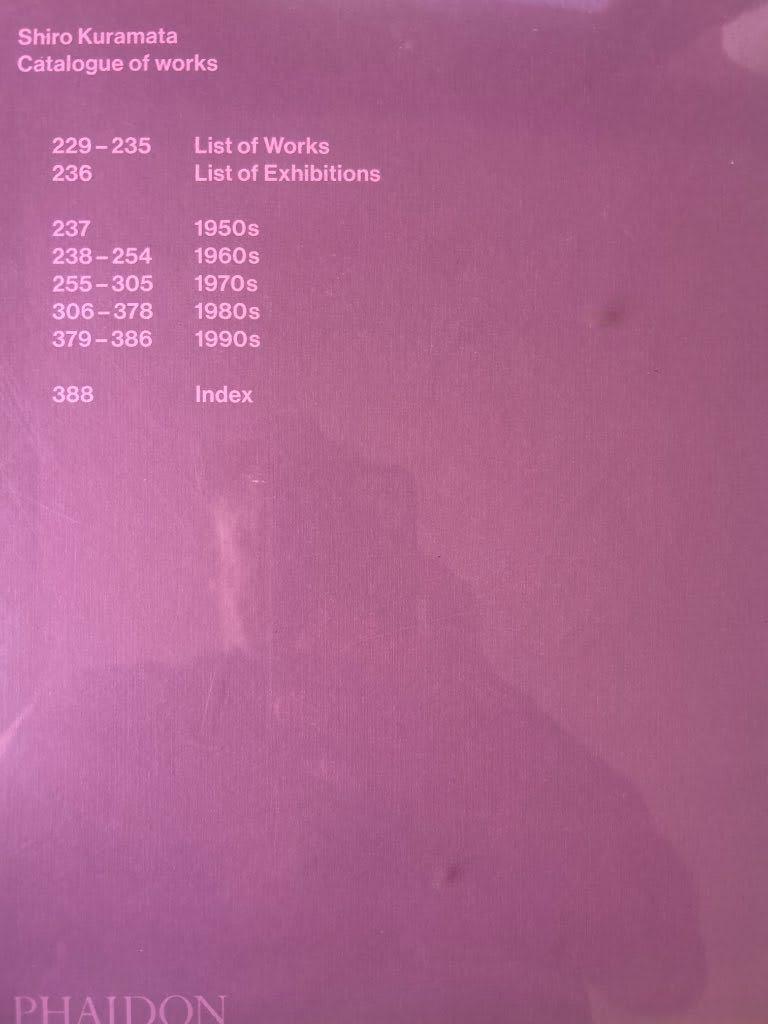
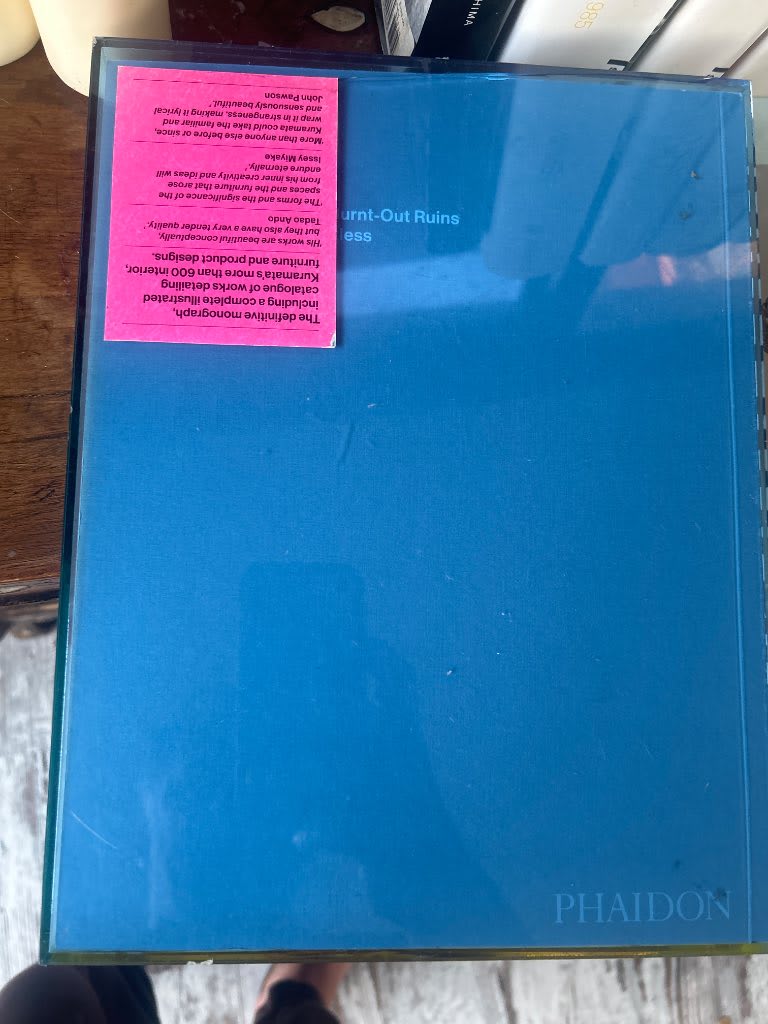
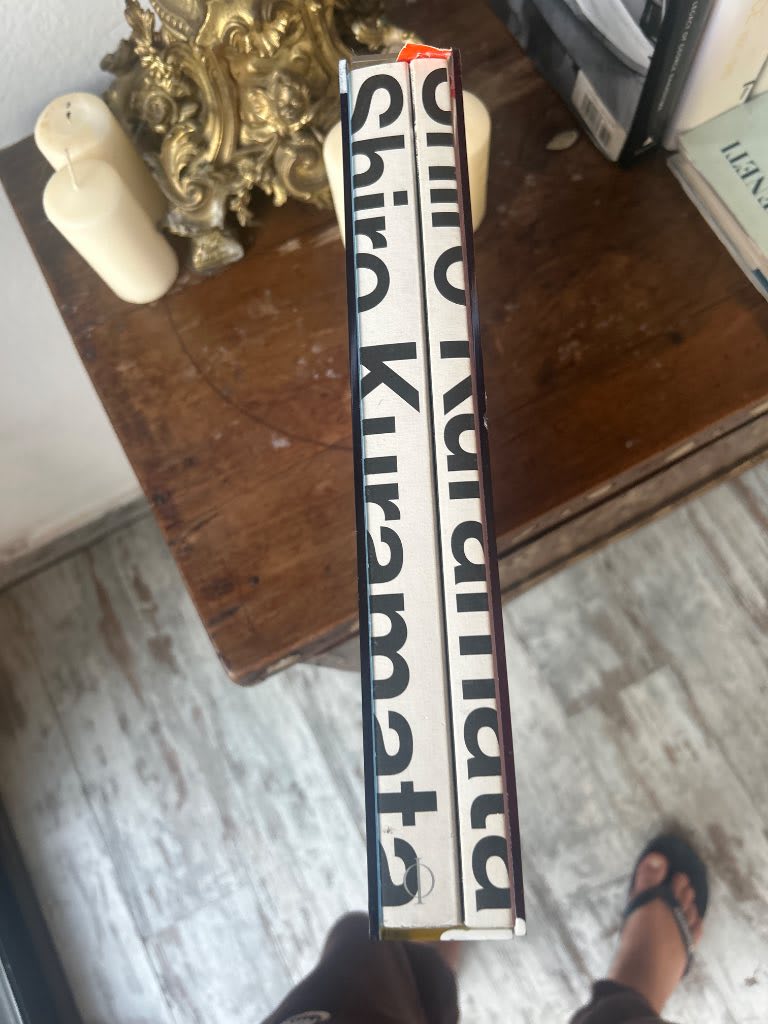
Published by Phaidon in 2013, this monumental two-volume monograph represents the most authoritative compendium ever produced on Shiro Kuramata (1934-1991), seminal figure of Japanese postmodern design and audacious experimenter in the use of unconventional materials. Presented in its original publisher's slipcase, the work constitutes an indispensable research tool and a bibliographic object of considerable physical presence, testament to Phaidon's editorial ambition in documenting the protagonists of contemporary design.
Bibliographic notes
The 2013 edition marks Phaidon's first complete publication dedicated to Kuramata, the London-based publishing house renowned for its reference monographs in art and design. The bipartite structure reflects a precise editorial strategy: the first volume gathers critical contributions signed by leading figures including Issey Miyake, with whom Kuramata collaborated intensively during the 1980s on boutique interiors, architect Tadao Ando and British minimalist designer John Pawson. These essays contextualise Kuramata's work within post-war Japanese design and analyse his influence on subsequent generations. The second volume constitutes the catalogue raisonné, documenting over 600 projects through archival photographs, preparatory drawings and technical specifications. The iconographic apparatus includes celebrated creations such as the Miss Blanche armchair (1988), with artificial roses suspended in transparent acrylic resin, and How High the Moon (1986), realised in nickel-plated expanded metal mesh. The publication also documents the commercial interiors that defined 1980s retail aesthetics, from Issey Miyake boutiques to Esprit stores.
Provenance & condition
The copy presents good general condition consistent with a reference volume published eleven years ago. The original publisher's slipcase shows normal signs of use, such as slight abrasions to corners and minimal shelf wear, elements that do not compromise structural integrity nor protective function. The two internal volumes maintain firm spines, intact page blocks and paper surfaces free from foxing or significant staining. The absence of manuscript annotations, ownership stamps or dedications preserves the neutral character of the copy, rendering it suitable for both consultation and display in specialised libraries. The quality of offset printing and case binding testifies to Phaidon's elevated production standards, ensuring durability over time. For volumes of this typology, intended for frequent consultation by scholars and professionals, the conservation state proves more than satisfactory.
Market value
The market valuation stands within the €110-195 range, reflecting moderate availability of copies on the antiquarian and quality second-hand market. The rarity score of 45/100 (Discrete index) indicates intermediate availability: the work is neither out of print nor particularly scarce, yet not easily accessible through conventional retail channels. Analysis of principal antiquarian marketplaces (AbeBooks, Maremagnum) and peer-to-peer selling platforms (eBay, Catawiki) reveals variable quotations depending on conservation state and slipcase completeness. Copies in excellent condition with immaculate slipcase reach the upper limit of the range, whilst examples with more evident defects position themselves in the lower portion. Amazon Marketplace occasionally offers new copies from residual stock at higher prices, confirming that the edition maintains commercial value. Demand originates principally from three buyer categories: libraries specialising in design and architecture, collectors of Phaidon monographs and sector professionals (designers, interior architects, gallerists). The presence of essays signed by internationally prominent figures and the breadth of the catalogue raisonné support value stability in the medium term.
Why it matters
Shiro Kuramata represents a paradigmatic case in postmodern design history: trained in Japanese artisanal tradition, he succeeded in dialoguing with Western avant-gardes without renouncing a profoundly Japanese aesthetic sensibility. His research into industrial materials transformed into poetic elements—transparent acrylic that dematerialises structure, metal mesh that negates traditional furniture solidity—anticipated themes now central to contemporary design discourse. This Phaidon monograph does not merely catalogue works: it reconstructs a network of intellectual and professional relationships traversing disciplines (fashion, architecture, art) and geographies (Tokyo, Milan, New York). For the design book collector, possessing this publication means accessing visual and critical documentation otherwise scattered across auction catalogues, specialist journals and institutional archives. The work also inserts itself within the broader Phaidon series dedicated to twentieth-century masters, ideally forming a reference library alongside volumes on Sottsass, Magistretti and other protagonists of Italian and international design. Editorial quality, authoritative contributions and documentary completeness ensure this remains the obligatory starting point for any serious research on Kuramata, consolidating its bibliographic value beyond market fluctuations.
Comments
Loading…
Sign in or register to leave a comment
Sign in or register