Claude Berge, Sculptures Multipètres (1962): matematica e surrealismo
Una plaquette rara che documenta l'incontro tra teoria dei grafi e objet trouvé, con prefazione di Philippe Soupault
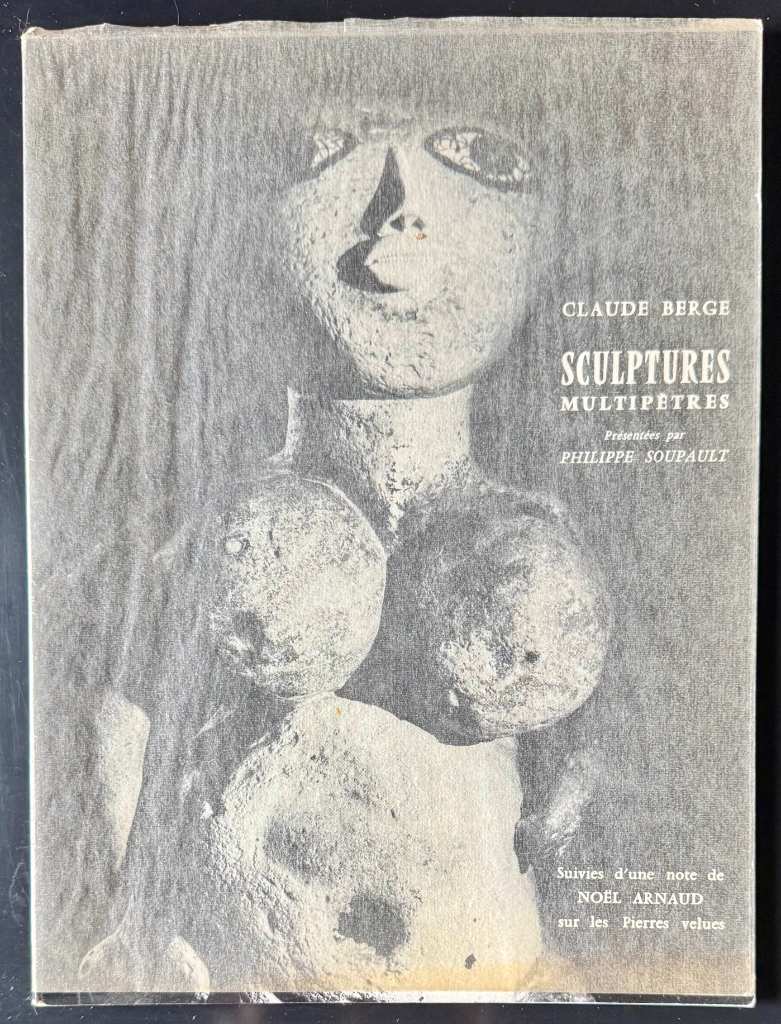
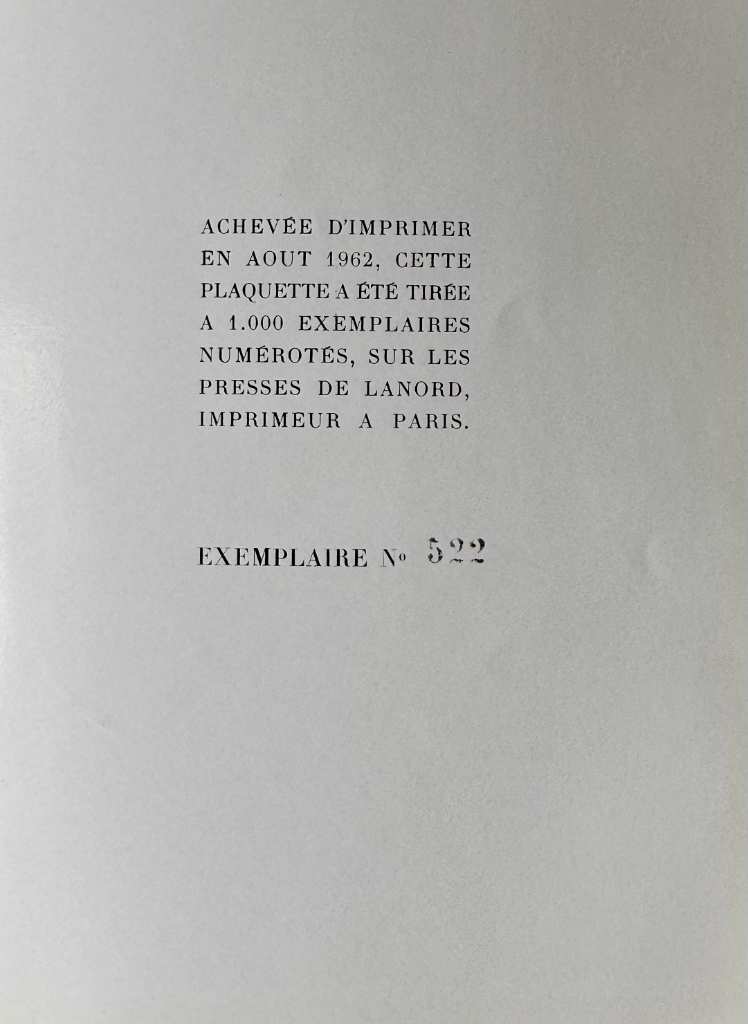
Nell'agosto del 1962, le Presses de Lanord pubblicarono a Parigi un'opera singolare: Sculptures Multipètres, firmata da Claude Berge e presentata dal poeta surrealista Philippe Soupault. L'esemplare qui esaminato, il numero 522 di una tiratura limitata a mille copie numerate, costituisce un documento affascinante dell'incontro tra rigore matematico e libertà surrealista, tra scienza e arte dell'assemblaggio. Berge, destinato a diventare uno dei padri fondatori della teoria dei grafi, si rivela qui scultore di pietre, raccoglitore di forme naturali che la mano umana ricompone in equilibri precari e poetici.
Note bibliografiche
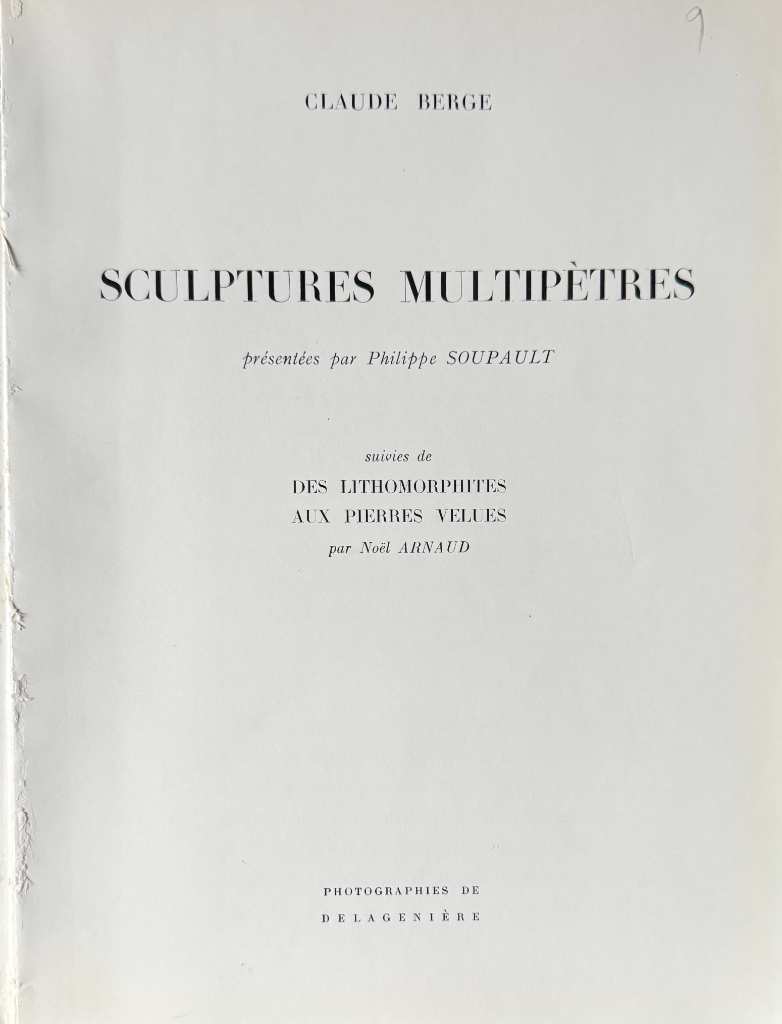
La plaquette si presenta in formato in-quarto, rilegata in brossura editoriale illustrata con una fotografia in bianco e nero di una delle sculture dell'autore, opera del fotografo Delagenière. Il volume include la presentazione di Philippe Soupault — figura di primo piano del movimento surrealista, cofondatore della rivista Littérature con André Breton — e un saggio di Noël Arnaud intitolato Des Lithomorphites aux Pierres velues. Arnaud, scrittore e membro dell'Oulipo (Ouvroir de littérature potentielle), condivise con Berge l'interesse per le strutture formali e le costrizioni creative. L'edizione, stampata in mille esemplari numerati, non conobbe ristampe: si tratta dunque della prima e unica edizione, circostanza che ne accresce il valore bibliografico. Le fotografie di Delagenière documentano le "sculture multipètres", assemblaggi di pietre naturali che Berge componeva secondo principi di equilibrio e forma, inscrivendosi nella tradizione dell'objet trouvé cara al Surrealismo.
Provenienza e stato di conservazione
L'esemplare numero 522 si presenta in buone condizioni generali, con la normale patina d'età che caratterizza le brossure editoriali degli anni Sessanta. La copertina illustrata conserva la sua integrità strutturale, pur mostrando i segni del tempo: lievi ossidazioni marginali e una leggera doratura del supporto cartaceo, fenomeni fisiologici per un volume di oltre sessant'anni. Non si segnalano lacune, strappi o interventi di restauro. L'assenza di ex-libris, timbri o annotazioni manoscritte suggerisce che il volume non abbia attraversato collezioni istituzionali, ma sia rimasto in mani private. La numerazione manoscritta (522/1000) è nitida e ben conservata. Nel complesso, si tratta di un esemplare da biblioteca privata, custodito con cura ma non sottoposto a condizioni museali: una condizione che il mercato definisce "buona" o "very good" secondo gli standard anglosassoni, pienamente adeguata per un libro d'artista di questa epoca e tipologia.
Valore di mercato
La valutazione BookOracle colloca questo esemplare nella fascia 95-150 €, con un indice di rarità "Discrete" (55/100). Il prezzo riflette diversi fattori concorrenti. Da un lato, la tiratura limitata (mille copie) e l'assenza di ristampe conferiscono al volume una certa scarsità bibliografica; dall'altro, la nicchia di mercato — collezionisti di edizioni surrealiste, libri d'artista francesi degli anni Sessanta, opere legate all'Oulipo — rimane relativamente circoscritta. La presenza di Philippe Soupault come prefatore aggiunge un elemento di interesse storico-letterario, mentre il nome di Claude Berge attira l'attenzione di bibliofili interessati alla storia della matematica e delle scienze. Le consultazioni su AbeBooks e Maremagnum confermano la rarità relativa del titolo: gli esemplari offerti in commercio sono sporadici, con prezzi che oscillano tra gli 80 e i 180 euro a seconda delle condizioni e della presenza di dediche o particolarità. Non si registrano passaggi d'asta recenti presso le grandi case internazionali, circostanza che indica un mercato prevalentemente antiquario, con transazioni dirette tra librerie specializzate e collezionisti privati.
Perché conta
Sculptures Multipètres rappresenta un crocevia culturale di notevole interesse. Claude Berge (1926-2002) è oggi ricordato soprattutto per il suo contributo alla teoria dei grafi — in particolare per la congettura di Berge sui grafi perfetti, dimostrata solo nel 2002 — ma la sua formazione intellettuale si svolse nell'ambiente parigino del dopoguerra, a contatto con artisti, poeti e scrittori. L'amicizia con Raymond Queneau lo portò a frequentare l'Oulipo, dove la matematica si faceva strumento di creazione letteraria. Le "sculture multipètres" — il neologismo gioca su mètre (metro) e pierre (pietra), evocando misure molteplici e composizioni litiche — incarnano questa doppia vocazione: rigore formale e libertà combinatoria, calcolo e caso, struttura e sorpresa. La prefazione di Soupault, poeta che aveva esplorato la scrittura automatica e l'inconscio verbale, legittima queste composizioni di pietre come autentici objets trouvés surrealisti, mentre il saggio di Arnaud le inscrive in una genealogia che va dai "litomorfi" alle "pietre pelose", giocando sulla tassonomia fantastica e sulla nomenclatura pseudoscientifica. Per il collezionista, questo volume offre dunque una testimonianza rara di un momento in cui arte, letteratura e scienza si intrecciavano in modo fecondo, anticipando le ricerche successive sull'arte concettuale e sulla poesia visiva. La sua presenza in una biblioteca privata segnala un interesse per le zone di confine, per i libri che sfuggono alle classificazioni rigide e che documentano, con discrezione e intelligenza, le avventure intellettuali del Novecento francese.
Commenti
Caricamento…
Accedi o registrati per lasciare un commento
Accedi o registrati