Buon Fine e Miglior Principio: Pivano e Sottsass, 1953
Un augurio di Capodanno dipinto a mano testimonia l'incontro tra letteratura americana e design italiano nel dopoguerra
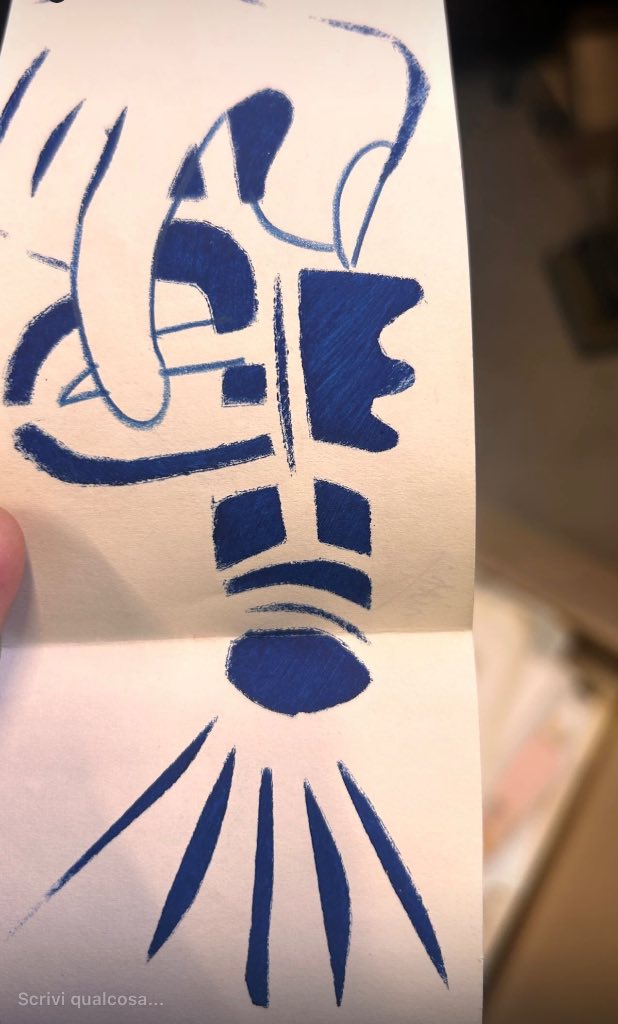
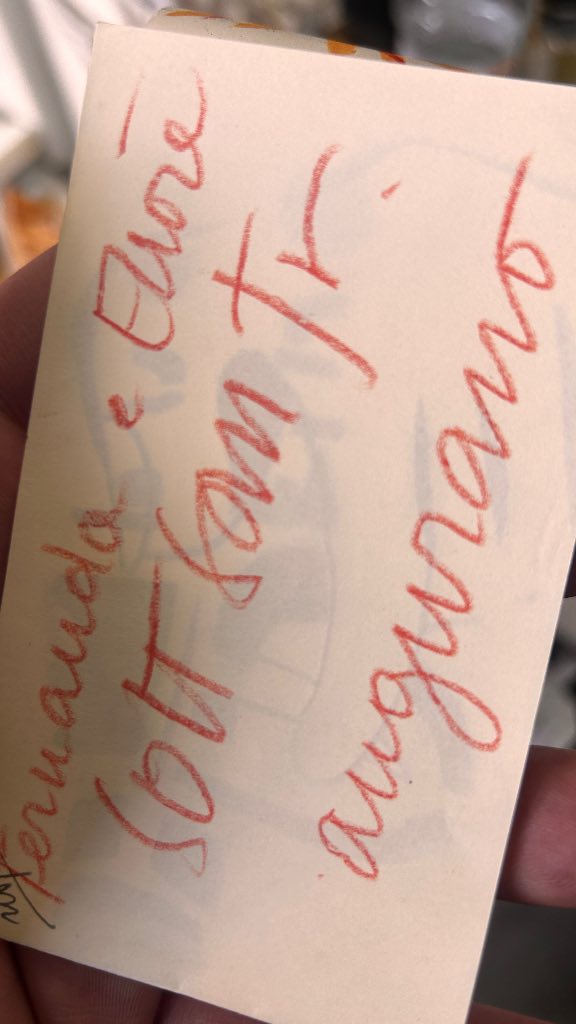
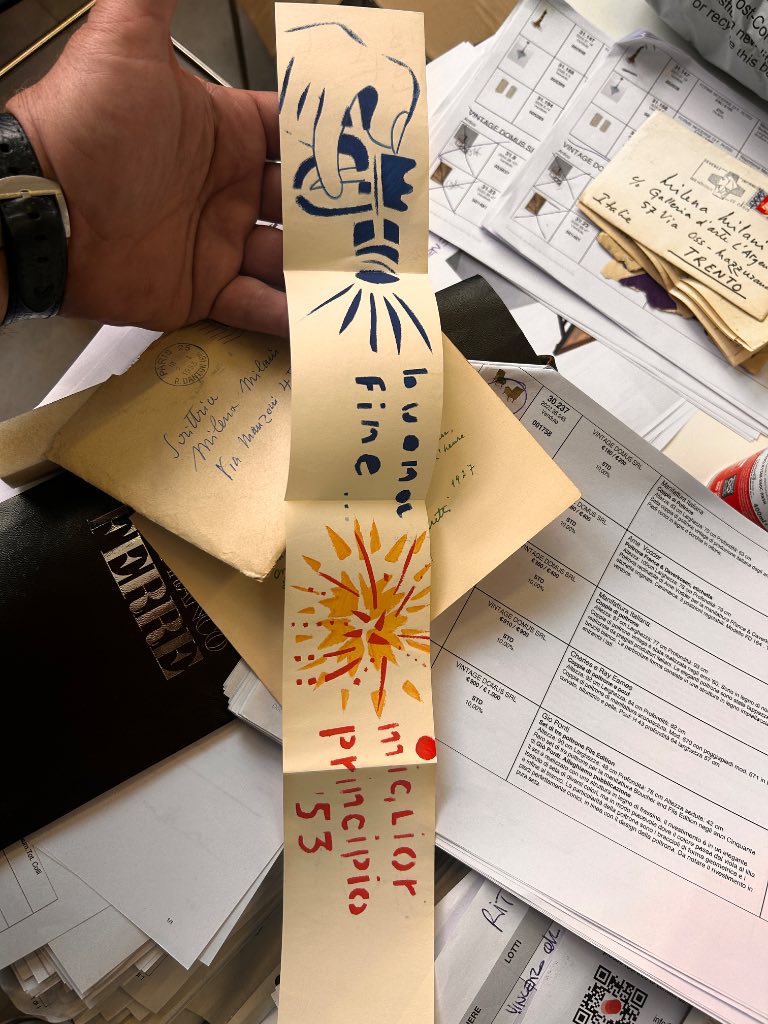
Nel gennaio 1953, quando Fernanda Pivano ed Ettore Sottsass Jr. inviarono questo augurio di Capodanno alla sartoria Milena in via Manzoni a Milano, nessuno dei due aveva ancora raggiunto la fama planetaria che li avrebbe consacrati. Eppure questo leporello a fisarmonica, con le sue illustrazioni a guazzo dipinte a mano da Sottsass e la dedica autografa di Pivano in pastello rosso, cattura un momento cruciale: l'alba di una partnership creativa che avrebbe ridefinito i confini tra cultura letteraria e innovazione visiva nell'Italia del dopoguerra.
Note bibliografiche
Il formato a leporello, tecnica di rilegatura orientale adottata dagli artisti europei d'avanguardia, si presta perfettamente alla natura effimera e intima di questo oggetto. Le illustrazioni di Sottsass—una mano stilizzata blu che regge una torcia e un'esplosione stellare arancio-gialla—anticipano il vocabolario grafico che l'architetto-designer avrebbe sviluppato nei decenni successivi, culminando nel movimento Memphis degli anni Ottanta. La scelta cromatica audace e la geometria essenziale rivelano già l'influenza del Bauhaus e dell'astrazione americana che Sottsass stava assimilando in quegli anni. La dedica manoscritta di Pivano aggiunge una dimensione biografica rara: questi auguri non erano destinati alla circolazione pubblica, ma rappresentavano gesti privati all'interno della cerchia intellettuale milanese. L'assenza di tiratura dichiarata e la natura artigianale dell'esecuzione suggeriscono un'edizione unica o limitatissima, probabilmente non superiore a una decina di esemplari.
Provenienza e stato di conservazione
L'indirizzo del destinatario—la sartoria Milena in via Manzoni, arteria del lusso milanese—colloca l'oggetto nel tessuto sociale dell'élite culturale lombarda. Via Manzoni, a pochi passi dalla Scala e da Brera, era il salotto buono della Milano ricostruttiva, dove intellettuali, artisti e imprenditori illuminati si incontravano. La scelta di omaggiare una sartoria non è casuale: nel 1953 la moda italiana stava emergendo come forza creativa internazionale, e i legami tra design, architettura e haute couture erano intensi. Lo stato di conservazione appare notevole per un oggetto nato effimero. I colori a guazzo mantengono vivacità e saturazione; la carta del leporello, sebbene soggetta a naturale invecchiamento, non presenta lacune o restauri evidenti. La dedica autografa in pastello rosso, particolarmente vulnerabile allo sfregamento, risulta leggibile e integra. L'assenza di danni strutturali alla piegatura a fisarmonica—punto critico in questo formato—testimonia una conservazione attenta, probabilmente in ambiente controllato.
Valore di mercato
La valutazione BookOracle di 1.800-3.500 € riflette la rarità estrema di opere private della coppia Pivano-Sottsass e il crescente interesse collezionistico per l'effimero d'autore del Novecento italiano. Il mercato delle opere grafiche di Sottsass ha registrato un'impennata dopo la retrospettiva al Metropolitan Museum nel 2017: disegni preparatori e progetti non realizzati hanno raggiunto quotazioni tra 5.000 e 15.000 € presso Cambi Casa d'Aste e Wright Chicago. Tuttavia, la natura privata e non commerciale di questo augurio lo colloca in una nicchia distinta. Wannenes Genova ha aggiudicato nel 2021 una lettera autografa di Pivano a Hemingway per 2.800 €, stabilendo un precedente per documenti epistolari della traduttrice. L'elemento differenziante qui è la doppia autografia—letteraria e visiva—e la datazione precoce, anteriore alla consacrazione di entrambi. Collezionisti di design italiano del XX secolo, bibliofili specializzati in Beat Generation e istituzioni museali dedicate al periodo ricostruttivo rappresentano i segmenti di mercato più ricettivi. La fascia alta della stima (3.500 €) si giustifica in presenza di documentazione fotografica d'epoca o corrispondenza collaterale che contestualizzi ulteriormente l'oggetto.
Perché conta
Questo augurio di Capodanno trascende la sua funzione originaria per diventare documento storico di un'epoca irripetibile. Nel 1953 Fernanda Pivano aveva già tradotto Hemingway e stava preparando le versioni italiane di Faulkner e Steinbeck che avrebbero aperto l'Italia alla letteratura americana; Sottsass, reduce dall'esperienza con George Nelson negli Stati Uniti, stava elaborando quella sintesi tra funzionalismo americano e sensibilità mediterranea che avrebbe caratterizzato il design italiano. Il loro sodalizio—matrimonio durato fino al 1958—fu fucina di contaminazioni: Pivano portava le voci della controcultura americana, Sottsass traduceva quelle voci in forma visiva. Questo leporello è testimonianza tangibile di quel dialogo. Per i collezionisti, rappresenta un'opportunità rara: acquisire un frammento autentico della vita privata di due figure che hanno plasmato l'immaginario culturale italiano del secondo Novecento. Per gli studiosi, offre un tassello inedito nella ricostruzione dei network intellettuali milanesi e dei meccanismi di scambio simbolico tra letteratura e arti visive. In un mercato sempre più orientato verso la provenienza documentata e la narrazione biografica, oggetti come questo—intimi, autografi, storicamente situati—acquisiscono valore esponenziale.
Commenti
Caricamento…
Accedi o registrati per lasciare un commento
Accedi o registrati